
Apulia
Apulia
In Apulia, the vine is not merely an agricultural crop, but an integral part of the region’s culture. Among sun-drenched plains, olive groves and breezes from the sea, viticulture has accompanied the life of local communities for centuries.
Within the Genevitis project, the region tells the story of a strong and recognisable identity, shaped by rural tradition, native grape varieties and production continuity.


The Territory
T h e H e a r t o f S a l e n t o
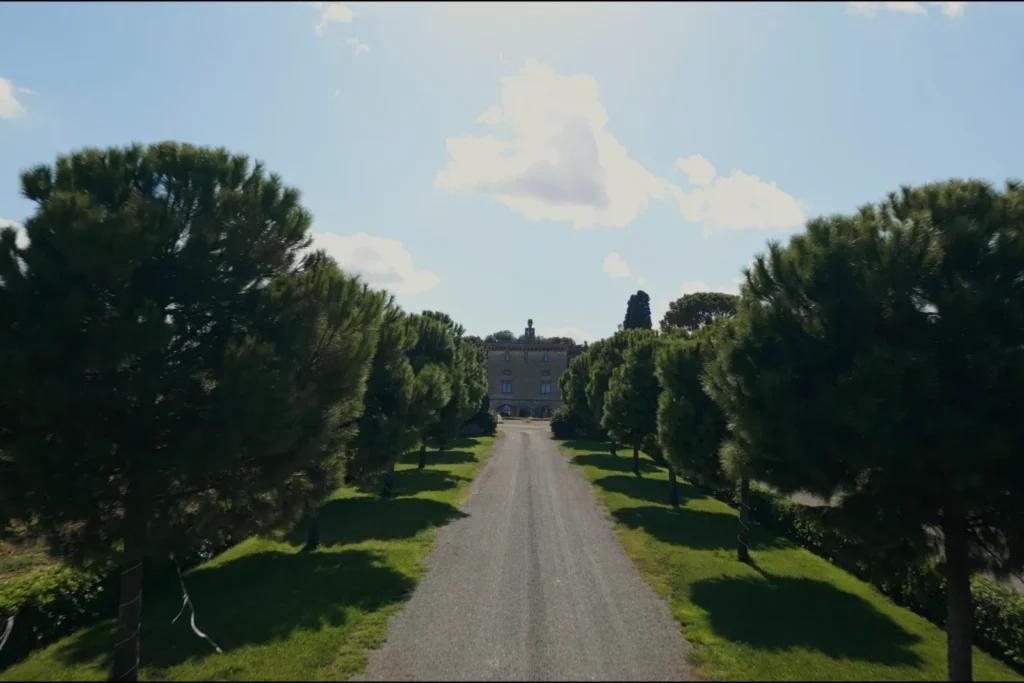
Apulian viticulture is mainly developed across the provinces of Brindisi, Lecce and Taranto, in an open and luminous landscape where the Mediterranean climate plays a decisive role. Warm, breezy summers, together with calcareous soils rich in minerals, favour full ripening and highly expressive wines.
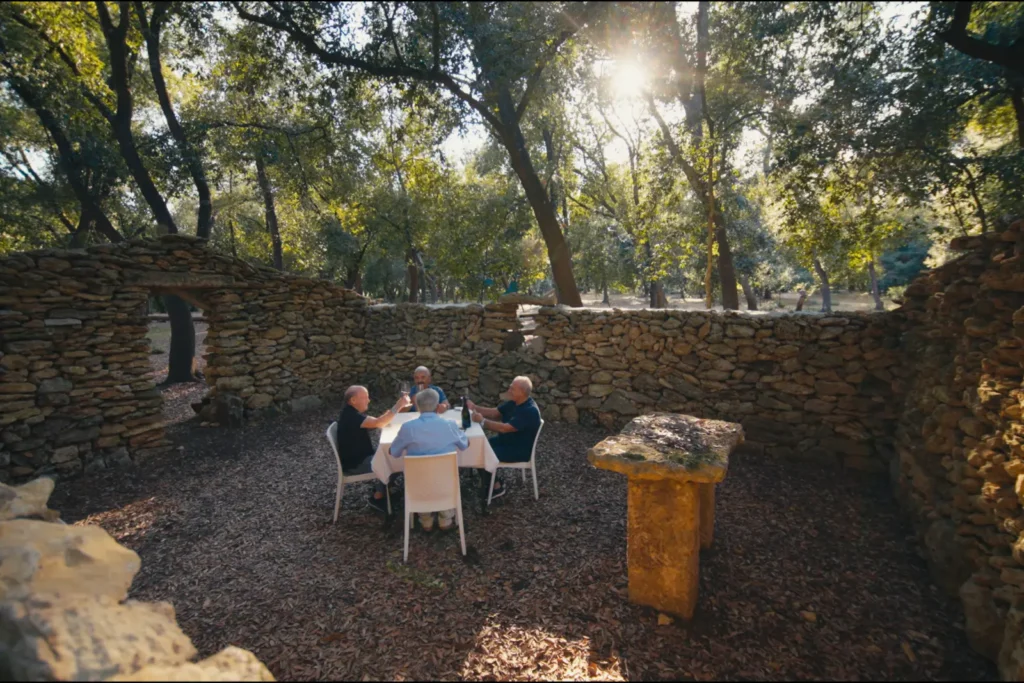
The wind from the sea helps maintain balance and grape health, while the intense light accompanies the entire vegetative cycle of the vine. In this context, agriculture becomes part of everyday life and wine a natural element of local conviviality.
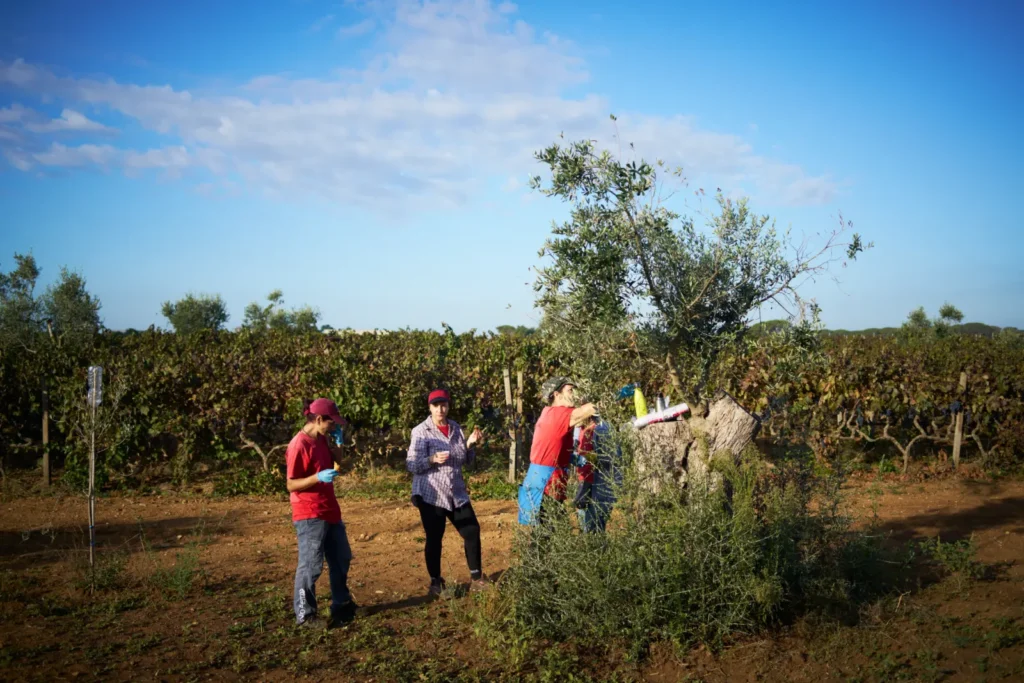
Here, vine cultivation is deeply connected to human work: agricultural knowledge handed down over time that still characterises the rural landscape of Apulia today.
Partner
C a n t i n e D u e P a l m e
The Genevitis project partner in Apulia is Cantine Due Palme, a wine cooperative founded in 1989 in Cellino San Marco, in the province of Brindisi.
The winery brings together over 1,000 winegrower members and manages around 2,500 hectares of vineyards spread across Brindisi, Lecce and Taranto. Production is strongly focused on enhancing regional native grape varieties, including Negroamaro, Malvasia Nera, Primitivo and Susumaniello.
The facility integrates all production stages — winemaking, ageing, bottling and storage — and houses a barrel cellar of around 10,000 hectolitres. The company is also committed to protecting the Alberello Pugliese, the traditional vine training method that represents one of the agricultural symbols of the territory.
The collaboration with Genevitis makes it possible to maintain consistent quality, production continuity and stylistic recognisability, while preserving local identity.
Mission
T r a d i t i o n a n d I d e n t i t y
The Apulian line was created with the aim of telling the culture of the territory through wine. It is not only about wine production, but also about passing down agricultural knowledge, social relationships and collective memory.
Viticulture thus becomes a shared heritage: a balance between rural experience, modern techniques and respect for natural cycles.
Each bottle represents a recognisable expression of the landscape from which it comes, maintaining stylistic consistency and enhancing the original characteristics of the grapes.
Genevitis Project
R o o t s a n d C o m m u n i t y
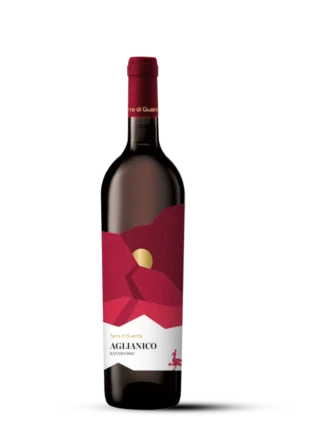
Within the Genevitis project, the Radicanto line takes shape, interpreting Apulia through two symbolic elements: roots and song.
Roots evoke the deep connection with the land and native grape varieties; song, on the other hand, represents popular culture, conviviality and the transmission of traditions. Wine thus becomes a means of storytelling: it tells the story of the people, places and agricultural community.
The project brings together tradition and contemporaneity, transforming each harvest into a present-day expression of an ancient story.